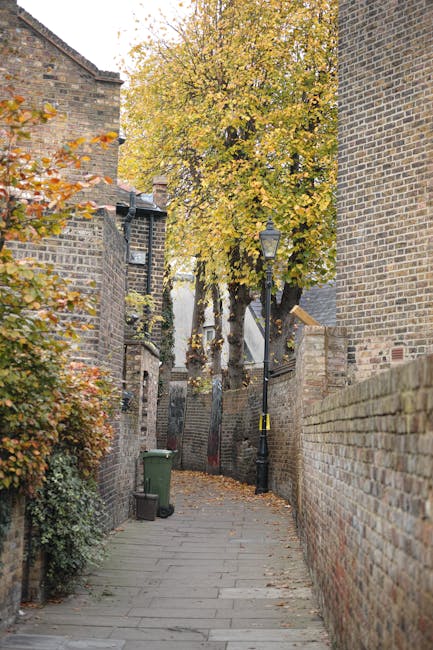
Clapham North man with van advice for narrow streets
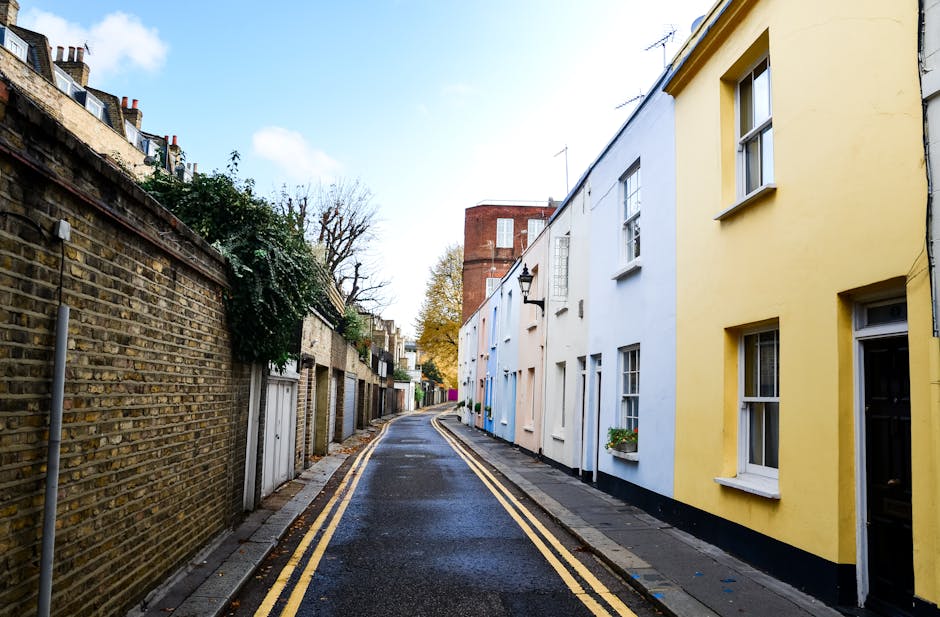
If you are moving in Clapham North, the streets can be the tricky bit, not the lifting. Tight corners, parked cars, delivery vans, speed humps, impatient traffic, and the odd road that looks wider on the map than it does in real life - it all adds up. Good Clapham North man with van advice for narrow streets is really about planning well enough that the move feels calm instead of chaotic.
This guide breaks down how a local man and van service approaches narrow residential roads, what to ask before you book, how to avoid the classic mistakes, and when a smaller vehicle is the sensible choice. You will also find a checklist, a comparison table, and a real-world example, so you can make a decision with confidence rather than guesswork. To be fair, that is what most people want on moving day: fewer surprises and a van that actually fits.
Table of Contents
- Why Clapham North man with van advice for narrow streets Matters
- How Clapham North man with van advice for narrow streets Works
- Key Benefits and Practical Advantages
- Who This Is For and When It Makes Sense
- Step-by-Step Guidance
- Expert Tips for Better Results
- Common Mistakes to Avoid
- Tools, Resources and Recommendations
- Law, Compliance, Standards, or Best Practice
- Options, Methods, or Comparison Table
- Case Study or Real-World Example
- Practical Checklist
- Conclusion
- Frequently Asked Questions
Why Clapham North man with van advice for narrow streets Matters
Narrow streets change everything about a move. A van that looks fine on paper may become awkward the moment it meets double parking, a blind corner, or a row of cars leaving just enough space for one vehicle at a time. In Clapham North, that is not unusual. Older terraces, mixed housing stock, and busy local roads mean the logistics can be more demanding than the actual packing.
That is why advice matters. A good mover does not just turn up and hope for the best. They think about where the vehicle can safely stop, how long loading may take, whether a smaller van would save time, and whether certain items need to be carried a longer distance. The difference between a smooth move and a frustrating one is often a few well-made decisions before the booking is confirmed.
There is also a practical money angle. If the vehicle is too large for the road, you may lose time while the driver repositions, waits for space, or works around congestion. If access is tight and not discussed in advance, what seemed like a simple booking can turn into a stressful day. A little honesty upfront goes a long way. Really, it does.
If you are comparing service levels, it can help to look at the broader options on man with van, or compare that with man and van if you are still deciding what level of help you need. For larger home moves, the more structured pages such as home moves and house removals can also be useful for understanding scope.
How Clapham North man with van advice for narrow streets Works
The short version? The move is planned around the street, not just the inventory. That sounds obvious, but people still forget it. With narrow roads, the best results usually come from matching the van size and route to the location, then organising loading in a way that keeps everyone safe and keeps traffic disruption down.
Here is how it usually works in practice:
- Access is checked first. The mover asks about road width, parking, one-way streets, building entrances, and any stairs or tight hallways at both ends.
- The right vehicle is chosen. A smaller van may be better than a larger lorry-style vehicle if space is limited, even if that means making more than one trip.
- Loading is planned in order. Items needed first at the destination are packed last, and fragile or awkward pieces are separated sensibly.
- Timing is selected carefully. Early mornings or quieter periods are often easier for loading in busy residential streets, though every road is different.
- The unloading point is agreed. That may be kerbside, just around the corner, or as close as safely possible to the property.
In simple terms, the service is more about coordination than muscle. The van helps, of course, but the real value is judgment. A driver who knows how to read a street can save you a lot of hassle. In London, that counts for plenty.
For tougher jobs where the access issue is only one part of the move, it may make sense to look at removal services or even removal company support, especially if you need packing, loading, and structured transport all in one go.
Key Benefits and Practical Advantages
When narrow streets are involved, the right approach gives you more than just transport. It lowers stress, protects your belongings, and reduces the chance of awkward on-street delays. Some benefits are obvious. Others only become obvious when the move is already underway and you are trying not to block a neighbour's driveway with a wardrobe.
- Less risk of access problems: a smaller or better-suited van is easier to manoeuvre in tight spaces.
- Faster loading and unloading: if the vehicle can park closer, fewer carrying steps are needed.
- Lower chance of damage: less shuffling around in unsuitable spaces means fewer bumps and scuffs.
- Better local awareness: experienced movers understand the rhythm of residential streets, school runs, and parking pressure.
- More realistic planning: the move is built around the actual conditions, not an idealised version of them.
There is also something reassuring about knowing the person collecting your items understands the local layout. You can feel the difference when a driver arrives, scans the road, and immediately starts thinking about the best angle for the van. It is a small thing, maybe, but it changes the day.
For people moving furniture, a focused service like furniture pick up may be enough. If you need a more rounded collection-and-delivery option, man with van removal can be a better fit than a simple one-off lift.
Who This Is For and When It Makes Sense
This advice is most useful if you are moving from or to a street where a large van would be difficult to park, reverse, or turn safely. That includes a lot of Clapham North side roads, plus nearby residential pockets where residents already know the sound of a delivery lorry idling at awkward angles before 8am.
It usually makes sense for:
- flat moves on narrow residential roads
- students or renters with limited furniture
- single-room or partial household moves
- furniture collection and delivery
- small business or studio relocations
- situations where parking is restricted or unpredictable
If you are moving a full family home, the issue may be less about whether a man and van works at all and more about how many trips or helpers will be needed. That is where a broader move plan matters. In some cases, a service like house movers is a better fit. In other cases, the simpler setup of man with a van is exactly right - quick, flexible, and much less overcomplicated.
It also suits people who just want less fuss. Not every move needs a full-blown operation. Sometimes you just need the right person, the right van, and a clear plan. That's it.
Step-by-Step Guidance
Here is a practical way to plan a move in a narrow Clapham North street without overthinking it.
- Measure the big things first. Beds, wardrobes, sofas, dining tables, and appliances are the items most likely to cause a problem. If in doubt, measure the longest side.
- Note the street conditions. Think about width, parked cars, traffic flow, road bends, height restrictions, and whether there is any safe place to stop.
- Tell the mover the awkward details. If there is no lift, a tight staircase, or a long walk from the van to the door, say so early. No one enjoys surprises on moving day.
- Choose the vehicle with access in mind. A slightly smaller van can sometimes be more efficient than a larger one that cannot park properly.
- Prepare the property. Clear hallways, protect floors if needed, and set aside keys, parking details, and any access codes.
- Pack so the load makes sense. Heavy items at the bottom, delicate items protected, and essentials kept separately.
- Confirm the arrival and parking plan. Ideally, everyone knows where the van will stop and how loading will happen before the day begins.
A small example: if you live on a road where two cars already make passing awkward, ask whether the driver can arrive at a quieter time or use a nearby wider point for loading. That kind of adjustment can save a lot of back-and-forth. It sounds minor. It is not minor, really.
If packing is the part you dread most, consider whether packing and unpacking services would remove some pressure. For larger or more coordinated jobs, a service such as removals may be the more complete answer.
Expert Tips for Better Results
These are the little details that tend to separate a tidy move from a messy one.
- Send photos of the street and access points. A couple of clear images can be more useful than a long description.
- Keep the heaviest item count realistic. If you are moving several awkward pieces, say so. A mattress and a piano are not the same, obviously.
- Bundle items by destination room. It makes unloading faster and avoids the "where does this box go?" dance.
- Have a backup parking idea. Narrow streets can change quickly depending on who parked where overnight.
- Protect corners and handles. In tight hallways, these are the bits that catch first.
- Plan for carrying distance. Even a short extra walk matters when the load is heavy and the pavement is uneven.
One more thing: do not treat access details as if they are an inconvenience to mention. They are not. They are the whole point. A good mover would rather hear the awkward truth up front than discover it while blocking the road with a sofa on the pavement.
For local reassurance around safety and professionalism, it is sensible to review a provider's insurance and safety information and their health and safety policy before booking.
Common Mistakes to Avoid
Narrow streets have a habit of exposing weak planning. These are the mistakes we see most often.
- Booking the wrong size van. Bigger is not always better. Sometimes it is just harder to park.
- Not mentioning access restrictions. If the road is tight, say so. If there is a timed loading bay, say so. If there is no real stopping point, absolutely say so.
- Leaving packing too late. Late packing creates loose items, poor labelling, and extra trips back upstairs.
- Assuming loading will be easy. A short walk can still be a pain with bulky furniture.
- Ignoring neighbour and traffic pressure. A move that blocks a shared route can become stressful very quickly.
- Forgetting to check paperwork. Terms, payment details, and any service conditions matter more than people expect.
There is a funny pattern here: the more people assume will "sort itself out," the more likely it is to become the annoying part. Funny in hindsight, not so funny when you are halfway through the move.
If you want a clearer sense of service boundaries and expectations, pages like terms and conditions and payment and security are worth reading before the day arrives.
Tools, Resources and Recommendations
You do not need a toolkit the size of a builder's van, but a few simple things make narrow-street moves smoother.
| Item | Why it helps | Best used for |
|---|---|---|
| Measuring tape | Checks sofa, bed, and wardrobe dimensions before loading day | Furniture and awkward items |
| Sturdy boxes | Stacks better and reduces shifting in transit | General household packing |
| Protective blankets | Helps shield wood, paintwork, and corners | Furniture transport |
| Labels or markers | Speeds up unloading and room placement | Multi-room moves |
| Phone photos of access | Gives the mover a visual idea of the route and parking | Tight or unfamiliar streets |
Practical recommendations matter too. If your move includes bulky or difficult items, a service such as removal van may suit you better than trying to do everything with a car and a few hopeful trips. For very small jobs, removals van can be a good search term to compare options, while people needing a more general local service often look at removals near me to narrow down providers nearby.
And yes, tape. Always more tape than you think. It disappears quickly.
Law, Compliance, Standards, or Best Practice
For narrow-street moves, the legal side is usually about safe driving, sensible loading, and respecting parking and access rules. You do not need a dissertation on transport law to get this right, but you do need to avoid making assumptions.
In practice, that means checking whether the road has parking restrictions, whether loading is permitted at the chosen time, and whether your building has any access instructions. If the move will involve shared pavements, communal entrances, or restricted routes, a responsible mover should plan to minimise obstruction and keep people safe. Common sense goes a long way here, though apparently it is not always common enough.
Best practice also includes insurance awareness. A properly run mover should be clear about what is covered, how items are handled, and what happens if access is more difficult than expected. That is one reason why it is worth reading the service's about us page alongside practical policy pages such as recycling and sustainability, especially if you care about how waste, packing, or unwanted items are managed.
For businesses, office moves have an added layer of planning because staff access, equipment safety, and timing can all be affected. If that is your situation, pages like office removals and office relocation services are the more relevant place to start.
Options, Methods, or Comparison Table
If you are still deciding between a few approaches, this comparison makes the trade-offs clearer.
| Option | Best for | Strength | Trade-off |
|---|---|---|---|
| Small man and van | Very narrow streets, light loads, short local moves | Easier access and parking | May require more trips |
| Standard moving van | Moderate loads with reasonable street access | Good balance of size and capacity | Can be awkward in tighter roads |
| Larger removal vehicle | Full-house moves with better road access | More capacity in fewer journeys | Harder to manoeuvre in narrow streets |
| Full removals service | Complex moves, many rooms, packing support needed | More support and coordination | Usually more involved than a simple collection |
The right answer depends on your street, your load, and how much help you want. If you are moving one or two rooms, the smaller option often wins. If you are managing a full home, a more complete package may be the safer call. There is no prize for choosing the biggest vehicle available.
Where the load is more commercial in nature, commercial moves can provide a better match than a general house move setup. For larger or more varied jobs, you may also want to compare movers and removal company options side by side.
Case Study or Real-World Example
Imagine a second-floor flat move in Clapham North on a street where parking is always tight by late morning. The residents have a sofa, a bed frame, four medium boxes, a desk, and a narrow hallway that makes turning large items a bit of a puzzle. Nothing dramatic. Just enough to go wrong if nobody thinks ahead.
In that kind of move, the better plan is usually to choose a smaller vehicle, ask the driver to arrive early, and have the heaviest items ready near the exit. The sofa goes out first because it is the hardest object to turn in the flat. The boxes follow in grouped loads. The desk is protected with blankets, and the hallway is cleared before anything starts moving. Simple, but effective.
What tends to happen when this is done well? Fewer pauses, fewer "hold on a second" moments, and much less risk of blocking the road while everyone shuffles around trying to find the right angle. The move still feels like a move - there will be lifting, there will be a bit of sweat, there may be a window opened for fresh air on a warm day - but it is manageable.
If the same move had included dismantling furniture or more packing help, the person would likely have benefited from a more complete service from man and van removals rather than a basic transport-only booking. That is the key lesson: match the service to the street and the job, not just the price tag.
Practical Checklist
Use this quick checklist before the move.
- Measure large furniture and confirm it fits through doors, halls, and stair turns.
- Tell the mover if the street is narrow, one-way, or difficult to park in.
- Share photos of access points, steps, or gates if possible.
- Confirm the van size and ask whether a smaller vehicle would be smarter.
- Keep essential documents, keys, and valuables with you.
- Label boxes by room and mark fragile items clearly.
- Check whether you need disassembly or packing help.
- Make sure the hallway and entrance are clear before arrival.
- Review insurance, payment, and terms in advance.
- Have a realistic loading plan, not a hopeful one.
Quick takeaway: on narrow Clapham North streets, the smoothest move is usually the one planned around access first, vehicle size second, and speed third. That order matters more than people think.
Get a free quote today and see how much you can save.
Conclusion
Good Clapham North man with van advice for narrow streets comes down to a simple idea: treat the street as part of the move, not just the background to it. Once you do that, everything becomes easier to judge - the right vehicle, the best arrival time, the safest loading point, and the level of help you actually need.
Whether you are moving a few pieces of furniture, a flat's worth of boxes, or a more involved household load, the smartest plan is the one that fits your road as well as your belongings. Narrow streets are not impossible. They just ask for a bit more thought, a bit more honesty, and a driver who knows how to keep things calm. That is usually enough.
And once the last box is inside and the street is quiet again, it feels properly good. A small relief, maybe, but a real one.
Frequently Asked Questions
What is the best man with van approach for narrow streets in Clapham North?
The best approach is usually a smaller or medium van, careful timing, and a clear loading plan. Narrow streets are far easier when the driver can park without blocking traffic or forcing repeated manoeuvres.
Should I book a bigger van so I only need one trip?
Not always. A bigger van can create more problems if the street is tight. It is often better to use a vehicle that fits the road properly, even if that means planning an extra trip.
How do I tell if my street is too narrow for a standard van?
Look at whether cars can pass comfortably, whether turning is easy, and whether there is any legal stopping space near your property. If it already feels cramped with parked cars, mention that before booking.
Can a man and van service help with furniture collection as well as moving home?
Yes. Many people use a local service for furniture pick up, single-item transport, and small home moves. It is often a sensible choice for narrow roads because the vehicle and timing can be kept flexible.
What should I tell the mover before the day?
Tell them about stairs, lifts, parking restrictions, road width, awkward furniture, and any access codes or loading issues. The more accurate the information, the better the plan.
Is packing service useful for a move in a narrow street?
Very often, yes. If access is awkward, well-packed boxes and clearly labelled items help the move run faster and reduce the time spent carrying things back and forth.
What if there is nowhere to park near my flat?
That is exactly the kind of detail to discuss in advance. A mover may suggest a different time, a smaller van, or a nearby stopping point that keeps the move safe and practical.
Do I need a removals company rather than a man with van?
If your move is larger, more complex, or includes packing and multiple rooms, a broader removals service may be more suitable. For smaller local moves, a man with van setup is often enough.
How can I reduce the risk of damage in a tight hallway?
Clear the corridor, protect corners if needed, and remove anything that could snag handles or block the path. Moving one item at a time with a clear route is much safer than trying to rush.
What is the most common mistake people make with narrow-street moves?
The most common mistake is failing to mention access issues early. People assume the driver will "figure it out," but a little planning upfront usually saves time, money, and stress.
Are there special considerations for office moves in narrow streets?
Yes. Office moves often involve timing pressure, heavier equipment, and a need to minimise disruption. If that applies, it is worth looking at office removals or office relocation services rather than treating it like a simple one-off collection.
Where should I look if I want to compare local moving options?
Start with the service pages that match your move size and support needs, then compare details like vehicle size, insurance, timing, and the level of help included. A good starting point is to compare man with van, removals, and house moves options against your actual situation.